











 The Discreet Investor
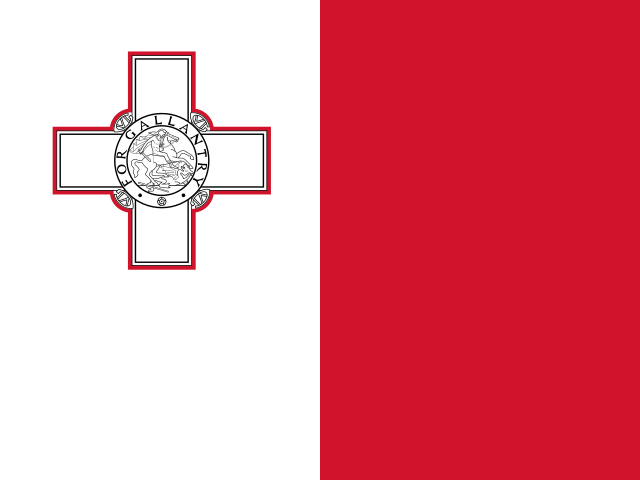 Citizenship by merit in Malta
Malta no longer sells citizenship. The investment route ended in 2025 after the EU Court of Justice ruling; what remains is a discretionary grant for exceptional merit — and money alone does not qualify. Here is what is really left, and the residence route most investors take instead.
What changed
From investor passport to merit grant
The court ruling
On 29 April 2025 the EU Court of Justice ruled that granting citizenship for predetermined payments breaches EU law (Commission v Malta, C-181/23).
The new law
Malta amended its Citizenship Act (Act XXI of 2025), abolishing the investment route. Applications under the old programme are no longer accepted.
Merit, not money
Citizenship can now be granted for exceptional service to Malta or humanity, or exceptional contribution in science, culture, sport, entrepreneurship or philanthropy. Financial investment alone does not count as merit.
Who decides
An independent Evaluation Board recommends; the Minister decides with absolute discretion. There is no published fee, no threshold and no right of appeal.
Residence still required
After an approval in principle, applicants must hold lawful residence in Malta for at least 8 continuous months before the formal application.
The ruling does not revoke citizenship already granted under the former programme.
What investors do instead
Three realistic routes to Malta and the EU
Permanent residence in Malta
The MPRP: permanent EU residence for the whole family by investment, from about €169,000 — residence, not a passport.
Residence, then naturalisation
Years of genuine residence in Malta or another EU state, then ordinary naturalisation. Slow, but it is how EU citizenship is earned now — see EU citizenship in 2026.
A passport for travel now
A non-EU second citizenship for mobility while the EU residence matures — compare the programmes, with their 2026 risks.
FAQ
About Malta citizenship
Can I still buy Maltese citizenship? +
No. The investment route was abolished in 2025 after the EU Court of Justice ruling. Anyone offering Maltese citizenship for a set contribution is selling something that no longer exists.
What does the merit route cost? +
There is no published fee or investment threshold. Figures such as €600,000 or €750,000 belong to the former investor programme. Legal, residence and due-diligence costs still apply, but merit is assessed — it cannot be bought.
Who realistically qualifies for merit? +
People with a documented, exceptional record — leading scientists, founders whose companies create jobs aligned with Malta’s strategy, internationally recognised artists or athletes, major philanthropists. The decision is discretionary and cannot be appealed.
What do you recommend instead? +
For most families: Malta Permanent Residence for the EU base, plus a non-EU second passport for travel. We map both in one orientation session and tell you honestly if a merit file has a chance.
Is dual citizenship allowed? +
Yes — Malta permits dual citizenship without restriction.
Other second citizenship options
Alternatives to Malta
 Türkiye
- G20 economy passport
- US E-2 treaty (3-year domicile rule)
- Property in a real market
 Grenada
- US E-2 after 3 years’ domicile
- China visa-free 30 days
- 3 generations on one file
 St Kitts & Nevis
- The world's oldest programme
- 10-year US visitor visa path
- Fastest obtaining period
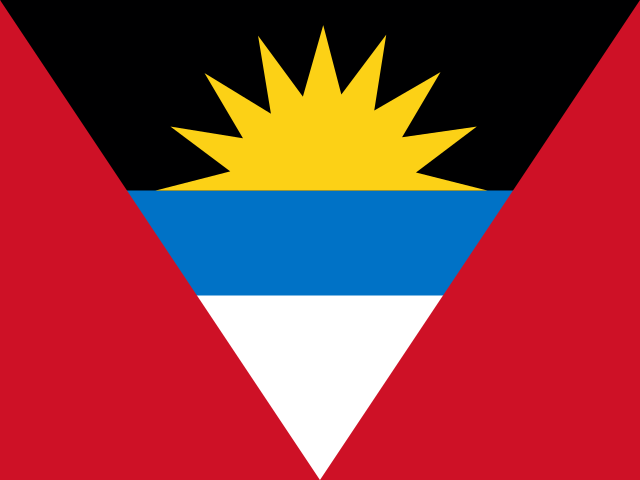 Antigua & Barbuda
- Schengen & UK visa-free
- No income, inheritance or CGT
- Best value for large families
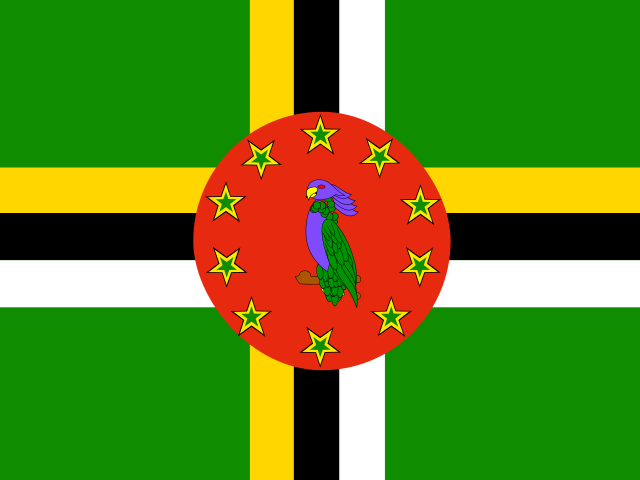 Dominica
- Lowest Caribbean entry price
- 140+ visa-free destinations
- RE exit from just 3 years
 São Tomé & Príncipe
- The world’s lowest price
- Fully remote — no visit, no interview
- Passports in ~2 months
Not for sale. Still within reach.
Malta’s passport is no longer for sale — its permanent residence is, from about €169,000, and a non-EU second passport can cover travel meanwhile. Personal quote within one business day.